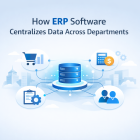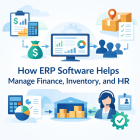
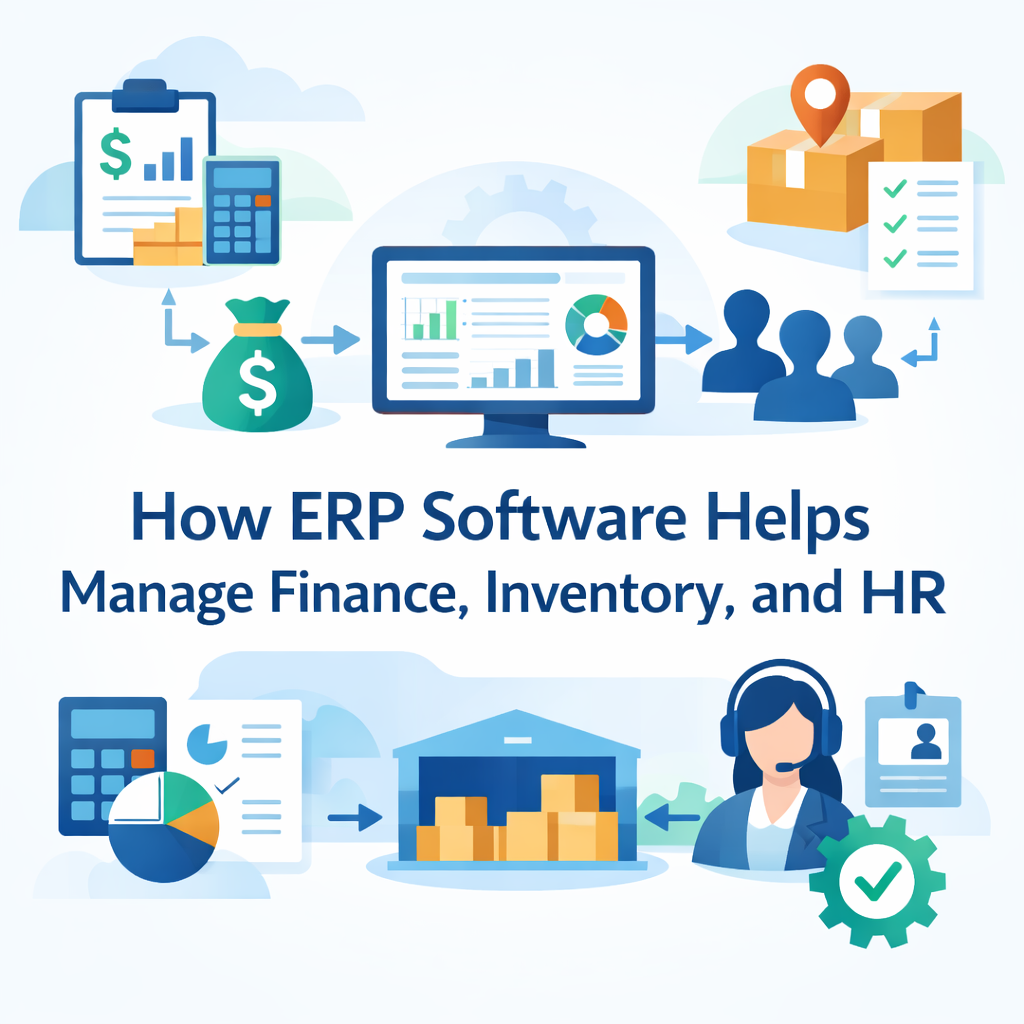

ERP software helps businesses manage finance, inventory, and HR through one shared system. All departments use the same data, updated in real time. This reduces errors, saves time, and improves decision making across the business. Companies using ERP solutions like FINAC rely on this structure to keep operations clear, connected, and easy to control.
This guide explains what ERP software does, how it works in real business settings, and when it becomes useful, using clear language and practical examples.
What Is ERP Software in Business Management?
ERP software, or Enterprise Resource Planning software, is a system that connects core business functions into one platform. Finance, inventory, and HR all operate using the same database.
This means data is entered once and shared everywhere it is needed. If inventory buys new stock, finance records the cost automatically. If HR runs payroll, salary expenses appear in accounting without manual work.
ERP software replaces disconnected tools and spreadsheets with a single, reliable source of information.
How Does ERP Software Manage Finance in One System?
ERP software manages finance by recording every transaction as it happens and storing it in one place.
This includes:
- Sales invoices and customer payments
- Supplier bills and purchase costs
- Employee salaries, taxes, and deductions
Because all financial activity flows into one system, reports stay accurate and up to date. Business owners can view cash balance, expenses, and profit at any time.
ERP finance modules also support budgeting. Budgets are linked to actual data, so changes in inventory or staffing appear immediately. This helps businesses control spending and avoid surprises.
Another key feature is financial traceability. ERP systems keep a record of approvals, edits, and transaction history. This supports audits and builds trust with partners.
Why Is ERP Software Better Than Separate Accounting Tools?
Separate accounting tools work in isolation. ERP software connects accounting with daily operations.
When inventory purchases increase, the cost reflects instantly in financial reports. When payroll runs, labor costs update automatically. Finance teams no longer chase data from other departments.
This connection improves accuracy and saves time, especially for growing businesses where transaction volume increases quickly.
How Does ERP Software Control Inventory Accurately?
ERP software controls inventory by tracking stock movement in real time. Every item entering or leaving the business updates the system instantly.
This helps teams:
- See current stock levels without manual checks
- Know when to reorder items
- Avoid overstocking and shortages
ERP inventory systems also analyze past sales data to support better purchasing decisions. Businesses can plan stock based on actual demand patterns instead of guesses.
For regulated or sensitive products, ERP software supports batch numbers and expiry dates. Items can be traced from supplier to customer, which helps during quality checks or returns.
What Inventory Problems Does ERP Software Reduce?
ERP software reduces common inventory issues such as:
- Mismatched stock counts
- Missed reorders
- Excess storage costs
- Delayed customer deliveries
By keeping inventory data connected with sales and finance, businesses maintain balance and predictability.
How Does ERP Software Simplify HR and Payroll?
ERP software simplifies HR by storing all employee data in one system. This includes personal details, attendance, leaves, payroll, and compliance records.
Attendance data links directly to payroll calculations. Salaries, deductions, and taxes are calculated automatically based on company rules. This reduces errors and saves time for HR teams.
Payroll data also connects with finance. Salary expenses appear in accounting records instantly, giving a clear view of workforce costs at any moment.
ERP systems store employee records in line with labor laws and tax requirements. Reports can be generated quickly when needed.
Why Is HR and Finance Integration Important?
When HR and finance systems are separate, payroll errors and reporting delays increase. ERP software removes this gap.
Hiring new employees updates payroll forecasts automatically. Salary changes reflect in budgets without extra steps. This helps leaders plan staffing and costs with accuracy.
How Does ERP Software Improve Decision Making?
ERP software improves decision making by showing how departments affect each other.
If inventory purchases rise, finance sees the cash impact immediately. If staffing increases, payroll costs update in financial reports. Leaders view the full picture instead of isolated numbers.
This shared visibility improves forecasting and planning. Sales trends guide inventory planning, and workforce costs influence pricing decisions.
When Should a Business Use ERP Software?
ERP software becomes useful when:
- Spreadsheets grow complex
- Reports take too long to prepare
- Numbers do not match across teams
Small and mid sized businesses often start with finance and inventory modules, then add HR as teams grow. Cloud based ERP software supports this gradual approach and reduces setup effort.
What Are Practical Steps to Use ERP Software Effectively?
ERP software delivers better results when businesses follow clear steps.
- Clean existing data before setup
- Define workflows and user roles clearly
- Train teams on how their actions affect other departments
Regular system reviews help businesses spot rising costs, slow processes, or unused stock early.
How Finance, Inventory, and HR Work Together in ERP
| Business Activity | Inventory Impact | Finance Impact | HR Impact |
| New stock purchase | Stock increases | Cost recorded | None |
| Employee hiring | None | Payroll forecast updates | Employee record added |
| Product sale | Stock decreases | Revenue recorded | None |
This shared flow keeps all departments aligned and informed.
Conclusion
ERP software brings finance, inventory, and HR together in one clear system, making daily work easier to manage and decisions easier to trust. When data flows smoothly across departments, businesses spend less time fixing errors and more time focusing on growth. A well-set ERP system gives you visibility into costs, stock, and people without adding extra workload.
If your business is starting to feel slowed down by spreadsheets or disconnected tools, this is the right time to switch. With FINAC, you get an ERP solution built for real business needs, not unnecessary complexity. Take the next step toward cleaner data, better control, and smoother operations. Talk to FINAC and see how ERP can work for your business today.